Top
Clothes Moths

How to Identify Clothes Moths

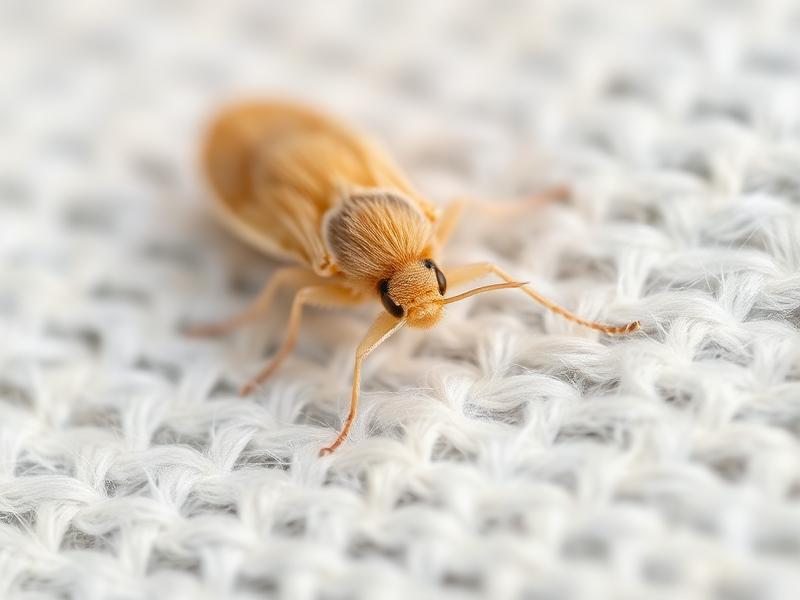
Clothes moths are small butterflies whose larvae feed on natural fibers. They can cause significant damage to clothing, carpets and fabrics.

Physical Characteristics

  • Size: 6-8mm (adults), larvae up to 10mm
  • Color: Golden, beige or light brown
  • Body: Small butterflies, caterpillar-shaped larvae
  • Behavior: Avoid light, larvae eat fabrics
  • Preference: Natural fibers (wool, silk, fur)

Where Clothes Moths

Closets

Wardrobes, clothing closets, and enclosed storage spaces.

Drawers

Drawers containing clothing, particularly wool or silk.

Stored Clothing

Storage boxes, seasonal clothing and rarely used items.

Carpets and Furniture

Wool carpets, upholstered furniture and upholstery fabrics.

Risks and Consequences

Clothes moths cause costly damage to textiles. Larvae create holes in fabrics and can ruin valuable clothing.

Health Impacts

  • No direct risk to human health
  • No bites or stings
  • Rare allergic reactions to scales
  • Primarily a property problem
  • Stress related to material damage

Property Impacts

  • Holes in clothing (wool, silk, fur)
  • Damage to natural fiber carpets
  • Destruction of valuable items
  • Damage to upholstery
  • High replacement costs

Did You Know?

It is the larvae of moths that cause damage, not the adults! Adult moths do not feed at all. A larva can live up to 2 years in cool conditions, causing continuous damage. Moths prefer dirty or worn clothing because they contain body oils.

Signs of Infestation

Quickly detect the presence of clothes moths by monitoring these telltale signs

Adult Moths

Small golden moths flying in closets or near clothing.

Visible Larvae

Small white or cream caterpillars on clothing or in closets.

Holes in Fabrics

Irregular holes in wool, silk or other natural fiber clothing.

Silk Tubes

Small silk tubes or cocoons attached to clothing or in corners.

Webbing on Fabrics

Fine silky webbing on clothing, carpets or upholstery.

Mues Larvaires

Skins abandoned by larvae during their growth, found in closets.

Prevention Tips

Protect your home against clothes moths with these preventative measures

Regular Cleaning

Regularly clean and vacuum closets, drawers and storage areas.

Proper Storage

Store clothing in airtight containers, especially for seasonal storage.

Natural Repellents

Use cedar blocks, lavender sachets or mothballs in closets.

Regular Inspection

Inspect second-hand items before introducing them and regularly check stored clothing.

Our Professional Treatment

Complete and guaranteed elimination with our 4-step protocol

1

Complete Inspection

Examen détaillé de tous les textiles, placards, tiroirs et zones de rangement.

2

Fumigation or Heat

Treatment by professional fumigation or heat treatment of infested items.

3

Textile Insecticide

Application of specialized insecticide for textiles and carpets, safe for fabrics.

4

Pièges à Phéromones

Installation de pièges à phéromones pour monitoring continu et capture des adultes.

Why Choose Infesto?

Certified Technicians

Complete Guarantee

24/7 Service

Safe Products

Protect Your Clothing and Textiles

Moths can cause costly damage. Professional treatment to eliminate larvae and protect your valuable textiles.

Emergency 24/7